California Voters Rejected This Casino Deal — Now a $750M Resort Is About to Open
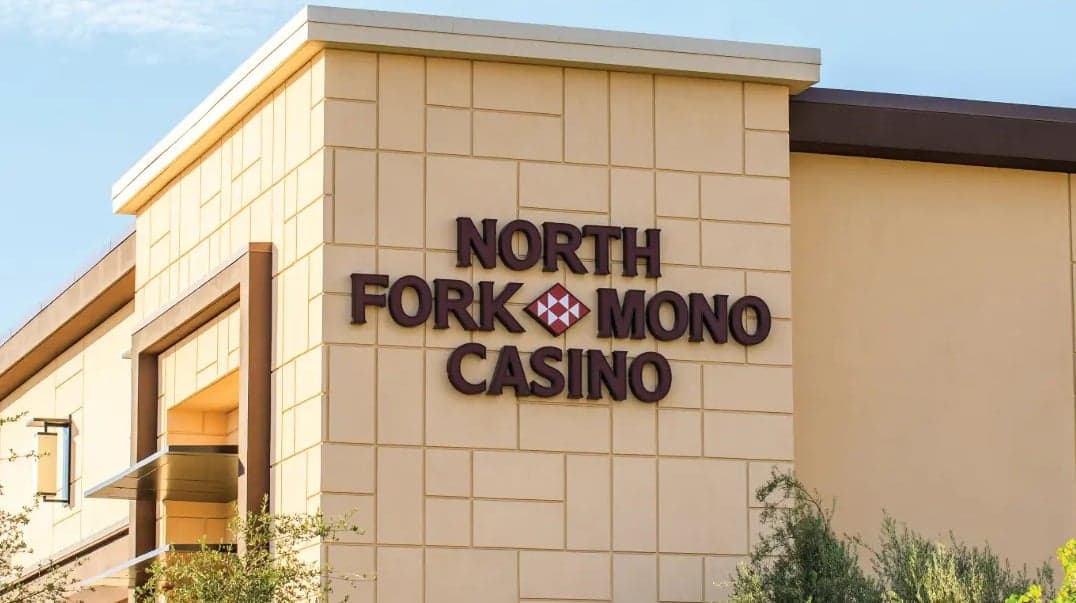
California’s North Fork Rancheria of Mono Indians has asked a federal judge to dismiss a last-ditch bid by a rival tribal operator to derail its long-planned $750 million casino resort. The North Fork Mono Casino & Resort is nearing completion on a 305-acre site off Highway 99 north of Madera. The…
California’s North Fork Rancheria of Mono Indians has asked a federal judge to dismiss a last-ditch bid by a rival tribal operator to derail its long-planned $750 million casino resort. The North Fork Mono Casino & Resort is on track to open in October, provided it can fend off a last-ditch lawsuit from the Picayune Rancheria. (Image: North Fork Mono Casino) The North Fork Mono Casino & Resort is nearing completion on a 305-acre site off Highway 99 north of Madera. The property is expected to open in October with more than 2,400 slot machines, 40 table games, eight dining options and four bars. But a lawsuit filed by the Picayune Rancheria of Chukchansi Indians, operator of the Chukchansi Gold Resort & Casino around 40 miles away in Coarsegold, Calif., argues the project no longer has a valid state approval required under federal gaming law. The suit names the North Fork Rancheria, its partner in the project, Station Casinos, and the National Indian Gaming Commission (NIGC), which approved the 2024 management agreement between the tribe and Station. Fork in the Road The challenge follows a significant victory for Picayune in California state courts, which ruled that former Gov. Jerry Brown’s 2012 concurrence with the North Fork project was rendered void by California voters. The federal government approved North Fork’s plans for the 305-acre Madera site in 2011, finding the casino would be in the tribe’s best interests and would not harm the surrounding community. Then-Gov. Jerry Brown concurred with the decision in August 2012 and signed a tribal-state gaming compact with North Fork the following day. Later that year, the US Department of the Interior approved taking the land into federal trust for the tribe. Under the Indian Gaming Regulatory Act (IGRA), gambling is generally prohibited on tribal lands acquired in trust after 1988. One exception is known as the “two-part determination,” under which the US Interior Secretary must determine that a proposed casino would benefit the tribe and not harm the surrounding community. The governor of the state where the casino would be located must then concur with that determination. Opponents, including Picayune, successfully forced a statewide referendum on legislation ratifying North Fork’s gaming compact. In November 2014, California voters rejected the legislation through Proposition 48, preventing the compact from taking effect. But opponents suffered a major defeat in federal court two years later when US District Judge Beryl Howell rejected challenges to the Interior Department’s approval of the Madera site. ‘Legally Invalid’ Picayune now argues North Fork cannot satisfy IGRA’s two-part determination exception because the required gubernatorial agreement is no longer valid. In 2024, a Madera County judge ruled that Proposition 48 had annulled Brown’s concurrence, rendering it void ab initio — meaning legally invalid from the outset. California’s Fifth District Court of Appeal upheld that judgment in December 2025, and the California Supreme Court declined to review North Fork’s appeal in April. North Fork maintains its right to conduct gaming on federal trust land is governed by federal law and points to previous federal litigation upholding the project’s federal approvals. The tribe has pressed ahead with the project and is advertising an October opening. Red Rock Resorts, which is financing and developing the casino through its Station Casinos subsidiary, told investors last month it expects the property to open during the fourth quarter. The post California Voters Rejected This Casino Deal — Now a $750M Resort Is About to Open appeared first on Casino.org.