Study Links First Responders’ Risk-Taking Duties to Gambling Problems
New research funded by the Colorado Division of Gaming finds first responders to be at heightened risk of developing gambling problems. Massachusetts-based Kindbridge Behavioral Health is a national telehealth provider specializing in counseling and mental health treatment for a range of addictions…
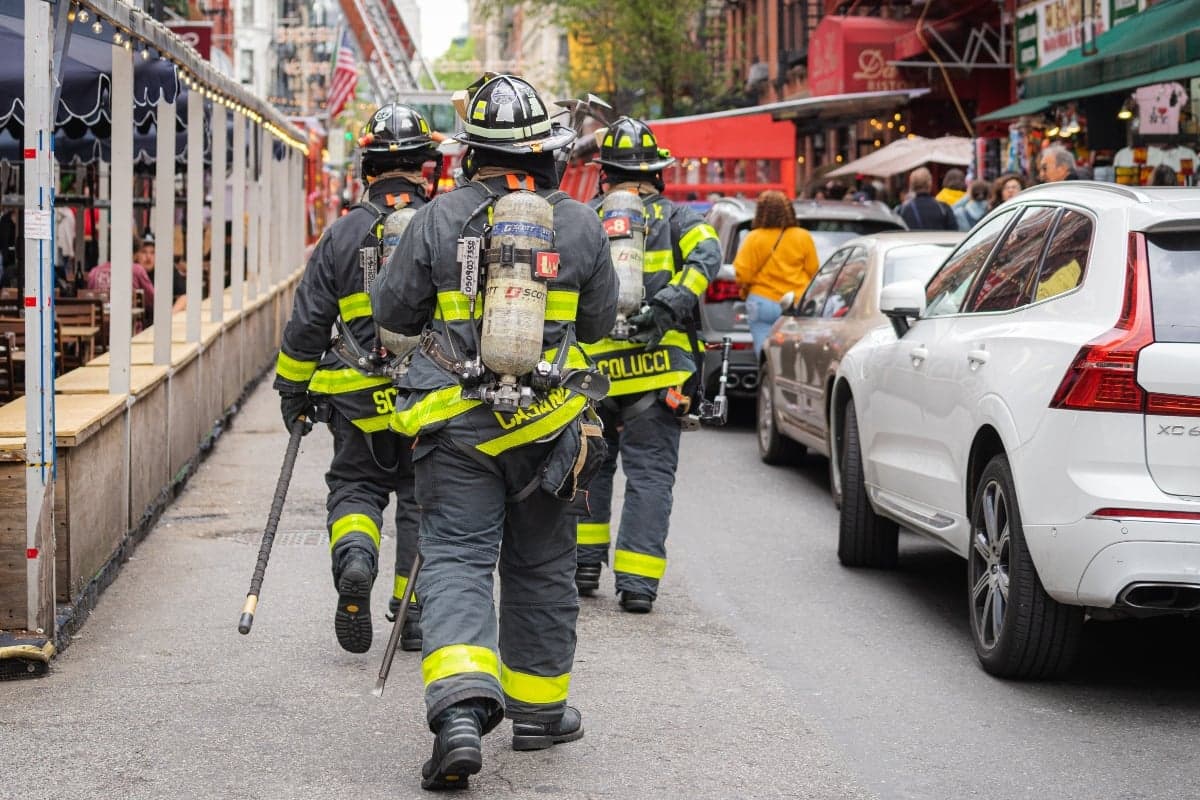
New research funded by the Colorado Division of Gaming finds first responders to be at heightened risk of developing gambling problems. Firefighters with the New York City Fire Department respond to a two-alarm fire on Mulberry Street. A study reports that first responders are more prone to developing gambling problems. (Image: Shutterstock) Massachusetts-based Kindbridge Behavioral Health is a national telehealth provider specializing in counseling and mental health treatment for a range of addictions, including gambling, pornography, sex, and video gaming. Its nonprofit arm, the Kindbridge Research Institute, recently conducted the first responder study in partnership with EPIC Global Solutions, a leading gambling harm prevention consultancy based in the United Kingdom. The study, Gambling Among First Responders in the United States, raises a five-alarm concern over gambling rates among the people who are first on the scene of an emergency. The report found that gambling is nearly universal among firefighters, police, and emergency medical services (EMS) personnel, with 94.5% of first responders reporting gambling within the past 12 months. About 44% met the critical criteria for problem gambling, and 39% were classified as at-risk. “The findings from this study indicated that first responders are at a high risk of gambling harm, with firefighters and those with a military background being the most vulnerable. The results indicated the importance of designing and implementing targeted prevention initiatives, and education around the potential harms of gambling for this group,” the Kindbridge Research Institute concluded. Risk-Prone Careers The Kindbridge study surveyed 507 current first responders through online surveys. The sample was heavily screened, with 281 of the 788 initial responses dropped on reliability concerns. The study found a correlation between first responders’ exposure to risk as a daily part of their careers and their willingness to take financial risks through gambling activities. Researchers found firefighters to be the highest-risk group, with nearly half (49%) meeting the criteria for problem gambling. Casino.org reported last month on an assistant fire chief stealing $1.6 million from his volunteer department to cover his gambling losses. PTSD, or post-traumatic stress disorder, is commonly linked to problem gambling. First responders who reported no PTSD were 89% less likely to meet or approach problem gambling. First responders are exposed to high-risk situations, making them vulnerable to a range of mental health problems and addictive behaviors, including PTSD and problem gambling,” the study reported. Kindbridge cited a 2022 study in the Journal of Workplace Behavioral Health that reported first responders being at elevated risk of developing mental health problems because of their regular exposure to emotional distress. “Although their roles are crucial and indispensable to the community, first responders are at risk of experiencing several physical and mental health problems due to their exposure to life-threatening incidents and trauma,” the study read. Study Recommendations Kindbridge concluded that problem gambling among US first responders is a serious, under-recognized occupational health threat. The study advises that targeted prevention and education initiatives be developed and tailored to first responders, and that employers implement evidence-based training and intervention programs. The goal, the researchers said, is to “support and protect first responders’ wellbeing.” The post Study Links First Responders’ Risk-Taking Duties to Gambling Problems appeared first on Casino.org.